
Finding Your Path: Which CPR Certification is Right For You?
Introduction:
When an emergency strikes, knowing how to perform CPR (Cardiopulmonary Resuscitation) can make all the difference between life and death. Whether you’re at home, at work, or in a public place, having CPR skills can give you the confidence to act quickly and effectively. But with so many different CPR certification options available, how do you know which one is right for you?
In this article, we’ll help you find the CPR certification that suits your needs, whether you’re a healthcare professional, a teacher, a parent, or simply someone who wants to be prepared in an emergency. Let’s explore the different CPR certification paths and how MyCPR NOW offers flexible, online courses that make getting certified easy and convenient.
Why CPR Certification Matters
Knowing CPR is a crucial skill that can save lives. In emergency situations, such as cardiac arrest, you have just minutes to respond. By performing CPR, you can help restore blood flow to vital organs and increase someone’s chances of survival until medical professionals arrive.
Here’s why CPR certification is so important:
- Saves Lives: Immediate CPR can significantly improve survival rates during emergencies like heart attacks or strokes.
- Confidence in Action: Having CPR certification gives you the knowledge and confidence to step in and help during critical moments.
- Helps in Various Emergencies: CPR is essential not only in cases of heart attacks but also for drowning incidents, choking, and even severe allergic reactions.
Getting certified ensures that you’re prepared to help someone in need when it matters most.
Different CPR Certification Paths
At MyCPR NOW, we offer several CPR certification options, each designed for different types of learners and situations. Whether you need basic CPR skills or more advanced training, there’s an option that fits your needs.
Here’s an overview of the common CPR certification courses available:
- Basic Life Support (BLS): BLS is designed for healthcare professionals and those who work in clinical settings. It covers more advanced CPR techniques, including the use of AEDs (Automated External Defibrillators) and recognizing signs of severe medical emergencies.
- Heartsaver CPR: This course is ideal for non-medical personnel who want to learn the essentials of CPR. It teaches how to perform CPR on adults, children, and infants, and includes basic AED usage.
- CPR and First Aid: For those looking for a more comprehensive approach, this course combines CPR training with First Aid, so you’ll be ready for any medical emergency, from minor injuries to major accidents.
With these different certification options, you can choose the course that best matches your needs and goals.
Benefits of Online CPR Training
Choosing an online CPR course offers several advantages, especially for busy individuals. MyCPR NOW provides flexible, easy-to-access online courses that allow you to learn at your own pace. Here’s why online CPR certification is a great option:
- Learn at Your Own Pace: You can start and finish the course whenever it fits your schedule, whether during the weekend, after work, or on your lunch break.
- Convenient Access: The courses can be accessed from any device with an internet connection, making it easy to learn from anywhere.
- Cost-Effective: Online courses are often more affordable than traditional in-person classes, making it a budget-friendly option for certification.
- Interactive Learning: Many online courses feature engaging content like instructional videos, quizzes, and interactive simulations to make the learning process more enjoyable and effective.
Online CPR certification provides an efficient way to get certified without disrupting your busy life.
Key CPR Techniques You Will Learn
No matter which CPR course you choose, the training will teach you several critical techniques that can help you save a life. Here are the core skills covered in CPR certification:
- Chest Compressions: Learning the proper technique for chest compressions is the most important aspect of CPR. You’ll learn how to apply the right pressure and at the correct depth to keep blood circulating to vital organs.
- Rescue Breaths: In some situations, CPR involves giving rescue breaths to provide oxygen to the lungs. You’ll be taught how to perform rescue breaths safely and effectively.
- Using an AED: Many courses include training on how to use an Automated External Defibrillator (AED), a device that helps restart the heart during a cardiac arrest.
- Choking Assistance: CPR training often covers how to help someone who is choking by performing the Heimlich maneuver or other effective techniques.
These skills ensure that you are ready to respond confidently and competently in a medical emergency.
How to Choose the Right CPR Certification for You
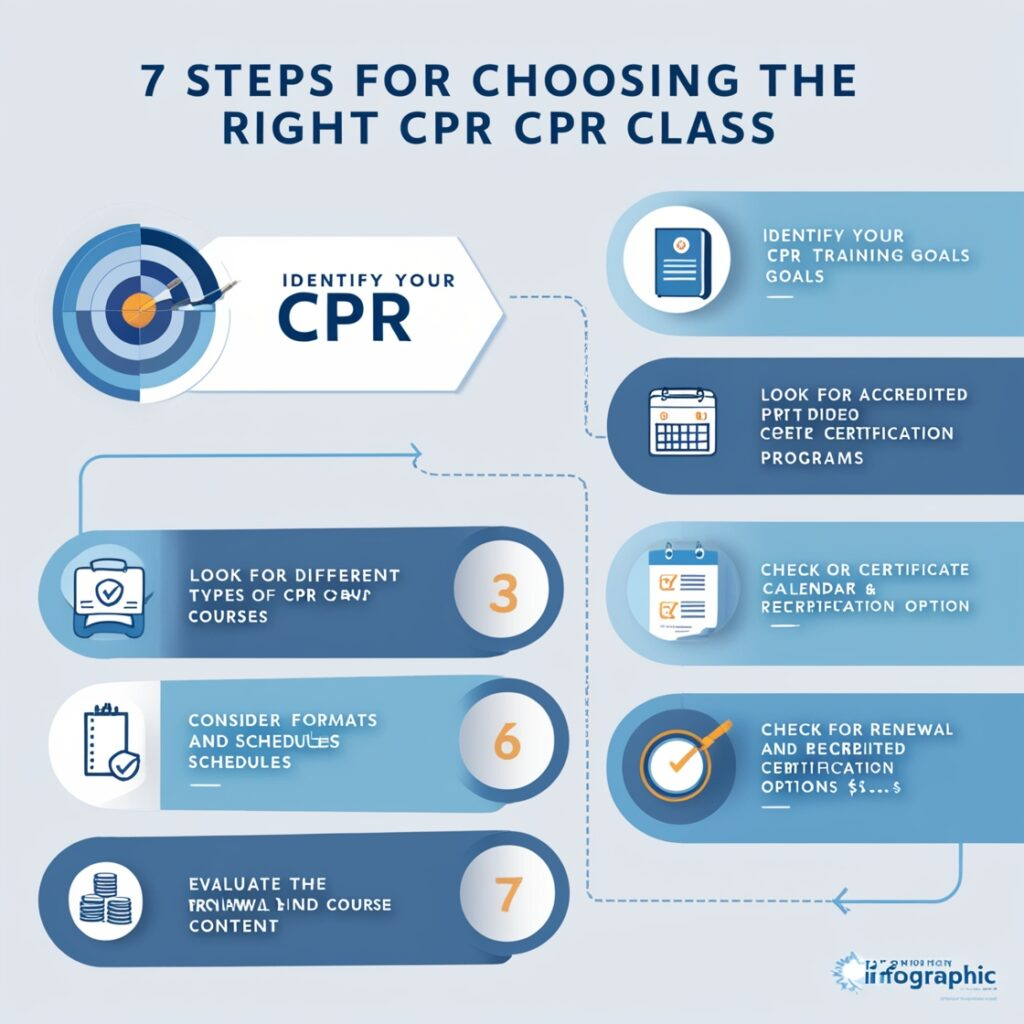
Choosing the right CPR certification depends on your goals, your profession, and the level of training you need. Here’s a simple guide to help you decide:
- Healthcare Professionals: If you work in healthcare, choose BLS (Basic Life Support). This course covers advanced CPR techniques and AED use, making it ideal for clinical environments.
- Non-Medical Personnel: If you want to be prepared to help during an emergency, choose Heartsaver CPR. It covers the basics of CPR for adults, children, and infants.
- Comprehensive Training: If you want to learn both CPR and First Aid, choose the CPR and First Aid course. This is perfect for those who want a well-rounded skill set to handle a variety of emergencies.
When selecting your course, also consider whether you want the flexibility of online training. With MyCPR NOW’s online courses, you can easily get certified at your own pace.
Quick and Simple Certification Process
MyCPR NOW’s online CPR certification courses are designed to be completed quickly and efficiently. After finishing the training, you’ll take a brief quiz to test your knowledge. Once you pass, you’ll receive your certification, which is typically valid for two years.
The process is fast, simple, and convenient, allowing you to get certified in just a few hours.
Conclusion
CPR and First Aid certification are essential skills that can help you respond to emergencies with confidence. Whether you’re a healthcare professional or a concerned individual, there’s a CPR certification option that’s right for you.
See your options for CPR certification today and find the course that suits your needs. Don’t wait—take the first step toward becoming certified and prepared to save a life!