
PDF to PPT: Breathing New Life into Static Documents:
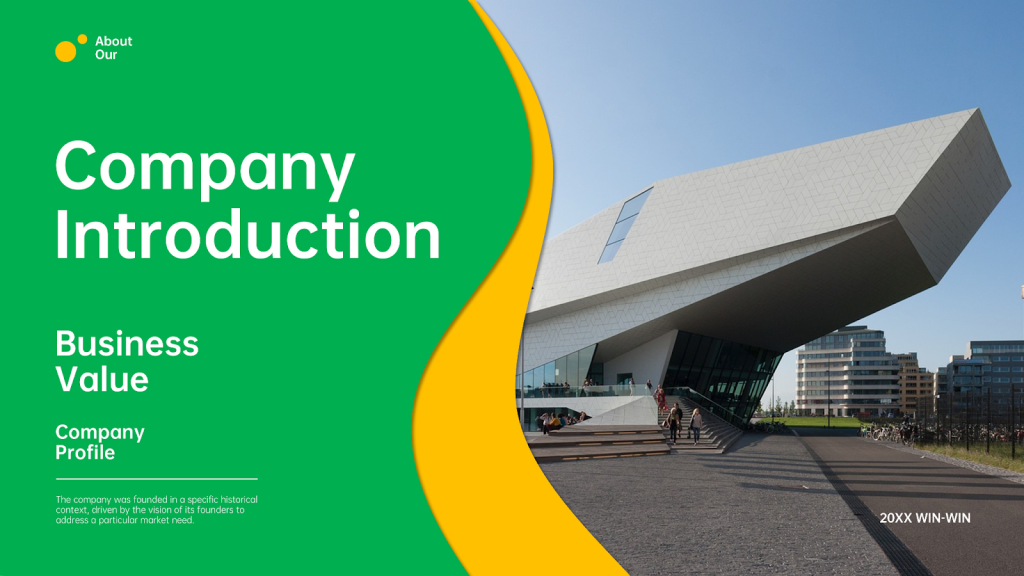
PDF files are excellent for preserving content, but they are not designed for interaction or live presentation. When information needs to be explained, discussed, or visually highlighted, slides are far more effective. This is why converting PDF to PPT has become a practical necessity rather than a technical option.
PDF to PPT conversion allows users to unlock content trapped inside static documents and transform it into flexible, editable, and presentation-ready slides.
Understanding PDF to PPT Conversion:
PDF to PPT conversion is the process of transforming a PDF document into a PowerPoint presentation where content can be edited, rearranged, and enhanced. Text, images, charts, and layout elements are extracted and placed into individual slides.
Instead of recreating information manually, users can quickly convert existing documents into a format built for communication.
Why PDF Files Need to Become Presentations:
Static vs. Dynamic Content:
PDFs are designed for reading, while PowerPoint slides are designed for explaining. Slides allow pacing, emphasis, and visual hierarchy that PDFs cannot provide.
Freedom to Edit:
Once converted to PPT, content can be updated, shortened, reorganized, or redesigned to suit different audiences.
Improved Visual Storytelling:
Presentations enable transitions, animations, and visual sequencing, making information easier to follow and remember.
Efficient Content Reuse:
Reports, proposals, whitepapers, and manuals can be repurposed into presentations without starting over.
Who Uses PDF to PPT Conversion?
- Students converting study material into class presentations
- Teachers adapting lesson PDFs into teaching slides
- Corporate teams turning reports into meeting decks
- Consultants refining client documents
- Marketers reshaping PDFs into pitch presentations
PDF to PPT conversion fits any role that involves explaining information visually.
How Modern PDF to PPT Tools Work:
Advanced conversion tools analyze the structure of a PDF rather than simply copying content. They identify headings, paragraphs, visuals, and spacing to rebuild the document as slides.
AI-driven tools go even further by:
- Detecting content hierarchy
- Improving slide layout automatically
- Making text more presentation-friendly
- Reducing formatting errors
Benefits of Converting PDF to PPT:
- Content becomes fully editable
- Information is easier to present
- Time spent recreating slides is eliminated
- Existing documents gain new value
- Presentations become more engaging
Handling Complex PDFs:
Not all PDFs are created equally. Scanned files or heavily designed layouts may need extra attention. Using tools with OCR technology and reviewing slides after conversion ensures better results.
Simple design adjustments can quickly turn converted slides into polished presentations.
Best Practices for PDF to PPT Conversion:
- Break dense content into multiple slides
- Use visuals to support key points
- Simplify long paragraphs
- Standardize fonts and colors
- Review slide flow before presenting
Conversion is the starting point—refinement creates impact.
The Future of PDF to PPT Conversion:
As AI continues to evolve, PDF to PPT conversion is becoming more intelligent and context-aware. Future tools will not just convert content but actively redesign it for clarity, engagement, and audience understanding.
This shift will make presentations faster to build and more effective to deliver.
Conclusion:
PDF to PPT conversion is more than a technical process—it’s a transformation of how information is communicated. By turning static documents into interactive presentations, users gain flexibility, clarity, and control over their content.
In a world driven by visual communication, PDF to PPT conversion is a smart step toward better presentations and stronger ideas.